 Masai Mara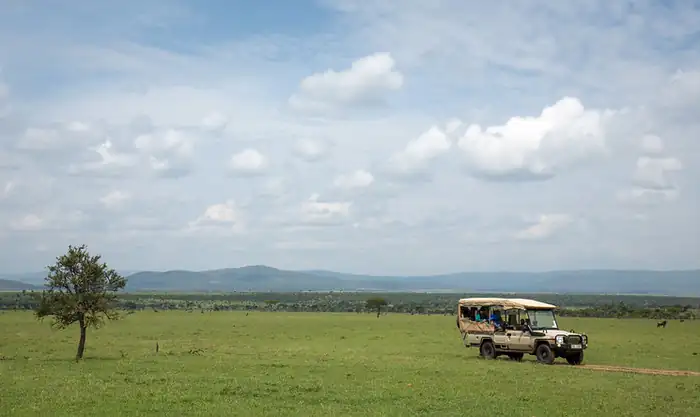
4-Day Masai Mara Safari
The extra day that makes the difference in migration season — more time at the river, more sightings, less rush.
From $560 per person
View 4-Day Itinerary
Migration drama, dry-season value or green-season bargains — the honest month-by-month picture, including when park fees halve and when the crowds arrive.
Last updated:
There are three good answers, depending on what you want. July to October is the famous window: the wildebeest migration is in the Mara, river crossings are possible, and every camp and vehicle in the ecosystem is busy — this is peak season for a reason, and peak prices come with it. January and February offer classic dry-season game viewing — short grass, animals concentrated near water, big-cat sightings at their most reliable — while park fees sit at the $100 low-season rate, so you get much of the peak-season experience at a noticeably lower cost. March to May, the long rains, is the cheapest and greenest time of all: the reserve is quiet, camps discount heavily, and the plains turn a deep emerald that the postcard photos never show you.
There is no month in which the Mara is a bad idea. The reserve holds resident wildlife every week of the year, so the real question is not "when is it worth going?" but "which trade-off between spectacle, crowds and cost suits you?" The table below sets out each period honestly.
| Months | Weather | Wildlife Highlight | Crowds | Price Level |
|---|---|---|---|---|
| January–February (dry & calm) | Warm, dry days; occasional short shower | Concentrated game at water; excellent big-cat viewing | Moderate | Medium — park fees at the $100 low-season rate |
| March–May (long rains / green season) | Regular rain, often in heavy afternoon bursts; lush landscapes | Resident game on green plains; dramatic skies; few vehicles at sightings | Lowest of the year | Lowest — deepest camp discounts and half-price park fees |
| June (shoulder) | Drying out; cool, clear mornings | Grass shortening, game viewing improving week by week | Building | Medium — last month of $100 park fees |
| July–October (migration season) | Dry, sunny days; cold early mornings | Migration herds in the Mara; river crossings possible; peak predator action | Peak — busiest at crossing points | Highest — $200 park fees and high-season camp rates |
| November (short rains) | Intermittent rain; fresh green flush | Herds moving south; resident game spreads across renewed grazing | Quiet | Lower high-season pricing as camps discount |
| December (festive uptick) | Mostly dry, green and pleasant | Good all-round resident game viewing | Busy over Christmas–New Year | High for the festive fortnight, moderate early in the month |
Park fees are $100 per adult per day from January to June and $200 from July to December — a meaningful part of any safari budget, and one reason the first half of the year is such good value.
The most common misconception we correct is the idea that the Mara "has animals" from July to October and sits empty the rest of the year. It does not work that way. The migration is a visiting population; the reserve's core wildlife is resident year-round. Lion prides hold the same territories in February as they do in August. Leopard, cheetah, elephant, buffalo, giraffe, hippo, topi, eland and thousands of resident wildebeest and zebra never leave the ecosystem at all.
In some respects, viewing outside the peak is easier. With fewer vehicles in the reserve, you can sit alone with a cheetah family for half an hour rather than sharing the sighting with a queue. Guides have more time to work a sighting properly instead of racing between radio calls. And in the green season the light after a storm — low sun on wet grass under charcoal skies — produces the kind of photographs that dry-season dust never gives you.
What you genuinely give up outside July–October is the migration spectacle itself: the mega-herds, the crossings, the sheer weight of animals on the plains. If that is the reason you are coming, come in season. If your priority is the Big Five, big cats and an unhurried reserve, any month will deliver.
If the migration is the point of the trip, travel between July and October and give yourself time — river crossings are unpredictable, and a single-day visit to the river can easily miss one. A 4-day safari adds a full extra day in the reserve for exactly this reason, from $560 per person in low season and from $820 in the migration months.
If cost matters most, aim for March to May, or the quieter parts of January–June. Half-price park fees plus green-season camp discounts make this the window where a budget safari works hardest: 3-day group joining trips start from $450 per person, all-inclusive, and you will share sightings with a handful of vehicles rather than dozens.
If you want quiet and romance — a honeymoon, an anniversary, or simply a trip without the peak-season bustle — the sweet spots are late January to early March and November to early December: dry-enough weather, low vehicle numbers and camps at their most attentive. Our honeymoon safari builds on exactly these windows, with the option of a dawn balloon flight (around $450 per person) while the reserve is at its calmest.
The Mara sits at roughly 1,500–2,000 metres above sea level, and altitude — not latitude — sets the climate. Days are warm rather than hot, typically in the mid-20s Celsius, and evenings cool quickly once the sun drops. Early mornings, when the best game drives happen, can be a genuinely chilly 10–15°C, especially in the July–August peak when travellers expecting "equatorial heat" find themselves shivering in an open-sided vehicle at dawn.
Pack in layers: a fleece or light jacket for morning drives, T-shirts underneath for the middle of the day, and something warm again for dinner. In the rainy months add a light waterproof — showers are usually short and heavy rather than all-day drizzle, and drives continue between them. Whatever the month, bring sun protection: at this altitude the equatorial sun is strong even when the air feels cool.
Getting there is the same year-round: 5–6 hours by road from Nairobi, or a 45–60 minute flight from Wilson Airport to one of the Mara airstrips. Road conditions on the final stretch are rougher in the rains, which is one more reason green-season travellers sometimes choose to fly one way.
Tell us your rough dates and priorities — we'll reply on WhatsApp with honest advice on the season and an itemised quote for the packages that fit.
Related reading: when the Great Migration reaches the Mara.
The extra day that makes the difference in migration season — more time at the river, more sightings, less rush.
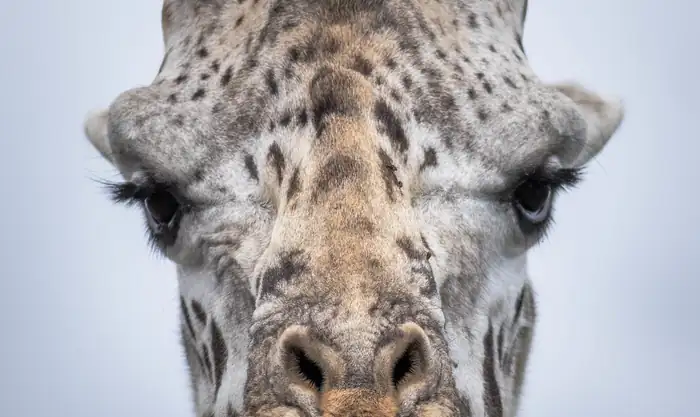
Group joining departures and budget tented camps — the smart way to use low-season prices and half-price park fees.