 Masai Mara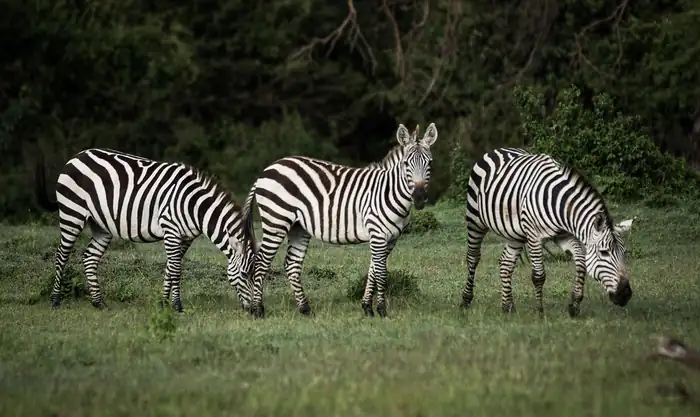
3-Day Masai Mara Safari
The classic reserve itinerary: two full days of game drives from a camp by the gates, by road from Nairobi.
From $450 per person
View 3-Day Itinerary
Masai Mara Reserve vs conservancies means choosing among the National Reserve, the Mara Triangle inside it, and a ring of private conservancies. They are different products at different prices.
Last updated:
For a first safari on a normal budget, stay by the National Reserve and do your game drives there — it is where the Mara River crossings happen, it works at every price level, and it is what our 3-day and budget packages are built around. The conservancies — Mara North, Naboisho, Olare Motorogi, Ol Kinyei, Olderkesi and their neighbours — sell a different product: far fewer vehicles, night drives and guided walks that the reserve forbids, and camps whose nightly rates bundle a conservation fee paid to Maasai landowners. That product is excellent, and it is also expensive — conservancy stays sit at the luxury and fly-in end of our range. Neither side is "the real Mara"; they are two ways of buying the same ecosystem.
The reserve is the core: roughly 1,510 km² of open savannah in Narok County, run by the Narok County Government rather than the Kenya Wildlife Service — which is why it is a national reserve, not a national park. Most road safaris enter through the gates on its northern and eastern boundary: Sekenani Gate on the main road from Narok town, Talek Gate at the centre of the busiest camp cluster, and Oloolaimutia Gate to the east. The budget and mid-range camps our group-joining departures use sit just outside these gates, so you pay reserve entry fees only for the days you drive inside — the park fees guide covers exactly how that works.
West of the Mara River lies the Mara Triangle — and despite what half the internet implies, it is not a conservancy. It is the western sector of the National Reserve itself, entered through Oloololo Gate, managed day to day by a non-profit called the Mara Conservancy on behalf of Narok County. The name is the sole source of the confusion. For visitors the practical points are simple: it charges reserve fees, follows reserve rules (no night drives, no walking), is quieter than the Talek side, and holds some of the river's best crossing viewpoints.
Around the reserve's northern and eastern edge sits a ring of community conservancies: Mara North, Mara Naboisho, Olare Motorogi, Ol Kinyei and Olderkesi are the ones you will most often see in itineraries, with others such as Lemek and Enonkishu further north. The land is owned by individual Maasai families who lease it to tourism partnerships; the camps inside pay those leases, and guests fund them through a conservancy fee bundled into the nightly rate. In exchange the conservancies cap beds and vehicles, which is why a lion sighting there might share two vehicles instead of the reserve's high-season crowd.
| Factor | National Reserve (incl. Mara Triangle) | Conservancies |
|---|---|---|
| Who can enter | Anyone paying the daily entry fee | Guests of member camps only — no day visitors |
| Fees | $100 per adult per day Jan–Jun, $200 Jul–Dec, paid per entry day | Conservancy fee bundled into the camp's nightly rate |
| Game drives | Daytime only, on tracks | Day and night drives, off-track driving at guide's discretion |
| Walking safaris | Not permitted | Guided bush walks offered by most camps |
| Vehicle numbers | Unrestricted — busy at big sightings in peak season | Capped — sightings are shared by a handful of vehicles |
| Migration river crossings | Yes — the Mara River crossing points are here | No — herds pass through, but crossings are in the reserve |
| Typical budget level | Every level — from $450 group-joining trips upward | Mostly luxury and fly-in, driven by member-camp rates |
Fee figures are the reserve's published non-resident rates; see the park fees guide for child rates, resident rates and how fees are collected.
It's your first safari. The reserve is the classic product: dense wildlife in a compact area, the full camp-to-gate infrastructure, and no minimum spend to enter. Everything in our cost guide's $450–$1,000 range is a reserve itinerary, and it delivers lion, elephant and — in season — the migration without a luxury budget.
You're travelling July to October for the crossings. The wildebeest cross the Mara River inside the reserve and the Mara Triangle. Camps outside Talek and Sekenani gates put you within game-drive reach of the crossing points; a conservancy camp, for all its quality, would have you driving into the reserve (and paying its entry fee) on crossing days anyway.
The budget is fixed. Reserve-side itineraries let you trade camp comfort against price at every level, which is exactly how our budget safari keeps its all-in figure down: honest camps outside the gates, fees paid only for days inside.
You want the sightings to yourselves. The conservancies' vehicle caps are not marketing — fewer beds mean a leopard sighting shared by two or three vehicles rather than a peak-season semicircle. Photographers in particular tend to feel the difference is worth the money.
You want what the reserve forbids. Night drives and guided walking safaris only happen in the conservancies, and only for their camps' guests. If seeing the Mara after dark or on foot is on your list, that decides it — no reserve itinerary can include it.
Your dates are outside migration season. Conservancy game viewing leans on strong resident wildlife rather than the herds, so in the quieter months of the year the gap between a conservancy stay and a reserve stay narrows — and the conservancy's exclusivity does not.
The honest catch: access is the price. Conservancy game drives are reserved for guests of member camps, whose rates carry the conservancy fee — which is why these stays appear on our luxury and flying safari packages rather than the budget ones. When we quote you a conservancy camp, the quote names the camp and shows the fee, per our usual rule.
So there is no mystery about what you would actually be buying: our 3-day, 4-day, budget and group-joining safaris stay at camps just outside the reserve gates — mostly around Talek and Sekenani — and game-drive inside the National Reserve. Luxury and fly-in itineraries use premium camps inside the reserve or in the surrounding conservancies, where the airstrips, night drives and walking safaris live. Every quote names the exact camp and itemises the fees before you commit, so you can check both the camp and its location independently.
Tell us your dates, group size and budget — we'll reply on WhatsApp with an itemised itinerary, and if a conservancy stay fits your budget we'll quote it alongside the reserve option so you can compare like for like.
The classic reserve itinerary: two full days of game drives from a camp by the gates, by road from Nairobi.
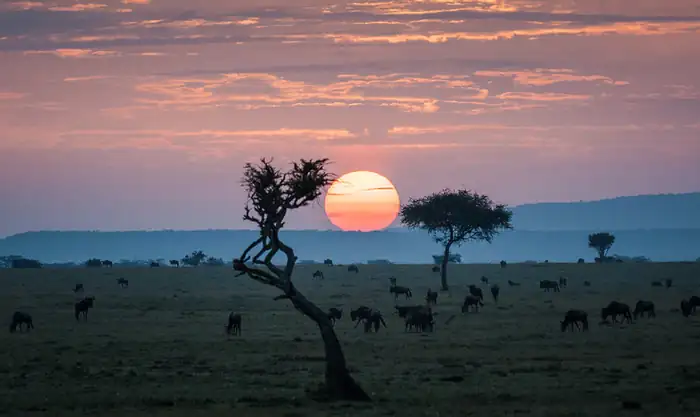
Premium camps in the reserve or a conservancy — where the night drives, walks and quiet sightings live.