 Masai Mara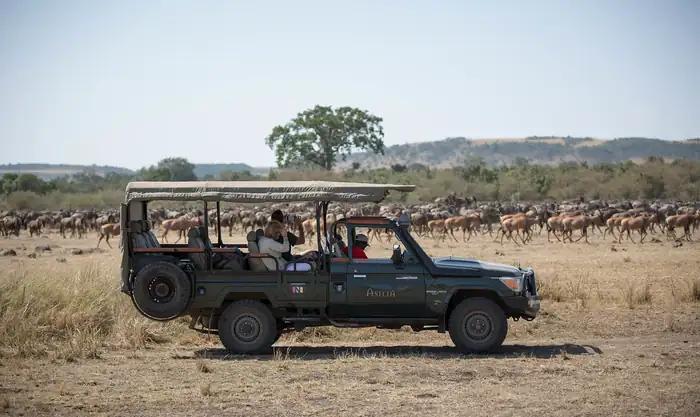
Group Joining Safari
Travel with other safari-goers on shared departures — the natural choice for solo travellers who'd rather not go it alone.
From $450 per person
View Group Departures
Is the Masai Mara safe? The short answer is yes — for visitors on organised safaris, the Mara is one of Africa's most established destinations. Here is the detailed version.
Last updated:
Yes — for visitors travelling on an organised safari, the Masai Mara is safe. It is one of Africa's most established tourist destinations, visited year after year by families, honeymooners, solo travellers and photographers from every corner of the world. The reserve is served by professional driver-guides, camps with well-practised safety protocols, and an infrastructure built around looking after visitors.
That said, "safe" never means "risk-free" anywhere on earth, and we would rather give you an honest picture than a glossy one. A Masai Mara safari involves wild animals, long road journeys, and travel in a country whose conditions you should check before departure — the same common sense that applies to any international trip. For that check, the UK Foreign Office travel advice for Kenya is a useful neutral reference, kept current as conditions change. The rest of this guide walks through each area honestly: what the real risks are, what they are not, and what a well-run safari does to manage them.
Game drives are the heart of a safari and, counter-intuitively, one of its safest elements. The animals of the Masai Mara have seen safari vehicles daily for decades and treat them as neither prey nor threat — a lion will walk past a vehicle metres away without a glance. That habituation applies to vehicles, not to people on foot, which is why the cardinal rule exists: stay in the vehicle except at designated stopping points your guide identifies, such as picnic sites and the hippo pools viewpoint areas.
Your driver-guide is trained in animal behaviour, keeps respectful distances at sightings, and knows the reserve's rules — no off-road driving in prohibited zones, no hemming animals in, engines positioned for an easy exit. Follow the guide's instructions, keep arms and heads inside when close to animals, keep noise down at sightings, and game drives are as safe as sightseeing gets.
Camps and lodges around the Talek and Sekenani gates have hosted guests for many years and run on well-practised routines. On arrival you'll receive a briefing covering camp layout, meal times and the night-time rules. The key one: after dark, guests are escorted between their tent and the main areas by an askari — a camp guard — rather than walking alone. Grounds are fenced or patrolled through the night, and a whistle or radio call brings staff to your tent if you need anything.
Animals do wander near camps — that is part of the magic of sleeping in the bush, with hippos grazing audibly outside at night in some locations. But animals avoid occupied tents, and incidents involving guests who follow the escort rule are vanishingly rare. Zip your tent, use the escort, and enjoy one of the best nights' soundscapes on the planet.
The Masai Mara is a malaria area. We are safari organisers, not doctors, so our advice is simple: visit a travel clinic in your home country four to six weeks before departure and follow their advice on antimalarial prophylaxis and any recommended vaccinations for your itinerary. In addition:
None of the above is a medical prescription — your travel clinic knows your medical history and the current guidance; we don't.
If we're being genuinely honest, the most significant risk on any Kenya trip is not wildlife — it's road travel, exactly as it is in much of the world. The Nairobi–Mara drive takes 5–6 hours, part of it on rough roads. This is where choosing a reputable operator matters most: well-maintained vehicles with functioning seatbelts, experienced drivers who know the route and don't race the daylight, and sensible departure times.
If you'd rather remove road hours from the equation altogether, flying is the lower-risk, lower-fatigue option: scheduled flights from Nairobi's Wilson Airport reach the Mara's airstrips in 45–60 minutes. See our flying safari page for how that works and what it costs.
Most safaris begin and end in Nairobi, and the sensible approach is the same as in any large city: use arranged transfers rather than wandering unfamiliar areas with valuables, don't flash phones and cameras on the street, and use hotel safes. On an organised safari you're typically collected from the airport or your hotel and dropped back the same way, so your exposure is minimal by design. Our Nairobi to Masai Mara guide covers the transfer options in detail.
The Mara is a well-trodden destination for solo travellers, including solo women, and the structure of an organised safari works strongly in your favour: on a group joining departure you share a vehicle, guide and camp with other travellers on the same itinerary, so you are never actually alone — while still travelling on your own terms. Transfers are arranged at both ends, camps are staffed around the clock, and your guide is a constant point of contact throughout.
We ask all travellers to carry comprehensive travel insurance that includes medical evacuation cover. In the unlikely event of a serious medical issue, evacuation to Nairobi by air is the standard route, and evacuation without cover is extremely expensive. Check your policy covers safari activities, confirm the evacuation benefit, and carry your policy details with you. It's the cheapest peace of mind on the whole trip.
Send your question or your travel dates — we'll reply on WhatsApp with straight answers and, if you'd like one, an itemised quote naming the exact camp.
Travel with other safari-goers on shared departures — the natural choice for solo travellers who'd rather not go it alone.
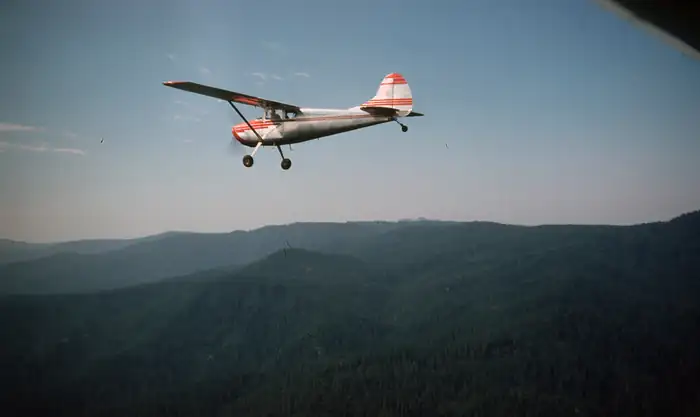
Skip the 5–6 hour road journey entirely — Wilson Airport to the Mara's airstrips in 45–60 minutes, with game drives from camp.