Private Conservancy Suites & Fly-In • Masai Mara Luxury Safari

Luxury Masai Mara Safari Packages: Private Fly-In & Tented Camp Tours

Book a bespoke luxury Masai Mara safari. Our luxury Masai Mara safari packages compare 5-star Masai Mara safari packages with ultra-luxury Masai Mara safari camps from $950–$3,000 per person per night, and include 3-day luxury Masai Mara safari package options from $2,850 plus luxury Masai Mara tour packages to $8,500+. Every all-inclusive luxury Masai Mara safari is itemised line by line, and our luxury fly-in Masai Mara safari packages quote the Wilson flight inside the total.

2026 Rates: Per Night $950–$3,000 pp • 3–5 Days $2,850–$8,500+ pp
6 Camps Conservancy & reserve
Open-Air 4x4 Silver/Gold guides
Night Drives Off-road & walks
All-Inclusive Permits itemised
LUXURY CONCIERGE
Get Your Luxury Quote

Named camp quote on WhatsApp in <15 mins.

🔒 Named 5-Star Camps • Private 4x4 / Fly-In
TRA Licensed Operator AMREF Flying Doctors Cover KPSGA-Certified Guides 100% Transparent Park Fees

Luxury Masai Mara Safari Packages

We arrange expert-guided luxury safaris in the Masai Mara and Masai Mara luxury safari packages across some of the best luxury safari camps and lodges in Africa. Select a 3–5 day tailor-made private luxury safari below.Those lodges sit alongside the rest of our Masai Mara Safari Packages.

3-day luxury safari in the Masai Mara, Kenya by bush flight
3 Days • Fly-In
3-Day Fly-In Luxury Safari in the Masai Mara, Kenya

Enjoy a 3-day luxury safari in the Masai Mara, Kenya with Wilson flights, riverfront suites, and sundowners (3-day luxury Masai Mara safari package).

From $2,850 pp ($950/night)
Fly-In Details
Private 4-day luxury Masai Mara tour in Olare Motorogi or Naboisho
4 Days • Core
Private 4-Day Luxury Masai Mara Tour

Our core private 4-day luxury Masai Mara tour pairs three conservancy nights with private 4x4 guiding and night drives (4-day luxury Masai Mara safari).

From $4,200 pp ($1,400/night)
4-Day Details
5-day ultra-luxury conservancy and reserve combination safari
5 Days • Ultra-Luxury

5-Day Ultra-Luxury Conservancy & Balloon

Experience unsurpassed luxury and an immersive safari adventure with plunge pool suites, butler service, and ballooning (Masai Mara Honeymoon Safari).

$6,000–$8,500+ pp
5-Day Quote

Luxury Masai Mara Safari Cost: Nightly & Multi-Day Rates

For what a luxury Masai Mara safari costs in 2026: a luxury Masai Mara safari cost $950 to $3,000 per person per night totals a luxury Masai Mara safari $2,850 to $8,500+ per person for 3–5 days. Compare ultra-luxury conservancy camp rates per night and your all-inclusive luxury safari price per person below.

🦁 2026 Luxury Masai Mara Safari Tier Table (Per-Night vs 3–5 Days)

Per Person Sharing (USD) • Reconciles per-night ($950–$3,000) & 3–5 day ($2,850–$8,500+) rates

All-Inclusive
Luxury Camp Tier Per Night (Jan–Jun) Per Night (Jul–Oct) 3–5 Day Total (pp) Inclusions Quote
5-Star Reserve Lodge $950 $1,350 $2,850 – $4,500 Flights + Full-Board 3-day luxury package from $2,850
Conservancy Tented Camp $1,150 $1,650 $3,450 – $5,600 Conservancy + Night Drives 4-day luxury safari from $3,450
Angama Mara Escarpment $1,850 $2,550 $5,550 – $7,800 Glass Suite + Butler premium safari package from $5,550
Mahali Mzuri Ultra-Luxury $2,400 $3,000 $7,200 – $8,500+ Champagne + Spa + Drives exclusive fly-in luxury from $7,200
Seasonal Rates & Itineraries

Kenya Luxury Safari Packages Masai Mara: 2026 Offers & Fly-In Logistics

Comprehensive guide to seasonal pricing, luxury fly-in transfers from Wilson Airport, conservancy fees, and custom safari itineraries.

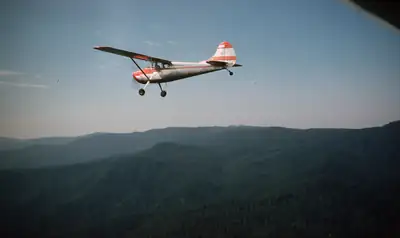
Scheduled safari flights connecting Nairobi Wilson Airport to Masai Mara bush airstrips

Fly-In Logistics for Luxury Fly-In Masai Mara Safari Packages

Daily forty-five-minute bush flights depart Nairobi Wilson Airport directly to the Musiara and Serena airstrips, eliminating grueling road transfers and maximizing wildlife viewing hours.

2026 luxury Masai Mara safari packages with early booking discounts and private 4x4 land cruisers

2025 & 2026 Special Booking Offers

Secure long-stay discounts (Stay 4, Pay 3) at premier safari lodges, free hot air balloon vouchers, and complimentary private vehicle upgrades when reserving your 2025 or 2026 itinerary six months in advance.

Comparison between luxury safari lodges and mid-range $850-$860 tented camps

$850 to $860 Mid-Range vs Ultra-Luxury Tiers

While mid-range camps ($850 to $860 per person per night) provide comfortable en suite tents and shared game drives, five-star luxury retreats ($1,200 to $2,800) guarantee exclusive vehicles, private concessions, and top-tier guiding.

Serian and Nkorombo: Mobile Camps With a Private Guide

The classic explorer model, and the most flexible way to follow the herds.

Serian built its reputation on a simple idea: a private guide, a private vehicle and a camp that moves. Nkorombo Serian sits on the Ntiakatiak river inside the Mara Triangle, close to the crossing points, and the camp is small enough that everyone eats together and nobody queues for a shower. It is not the most polished camp in the reserve, and that is part of the appeal: canvas, hot water in a bucket, a fire at night and a guide who has spent his life on that river. Of all the luxury Masai Mara safari tours that follow the migration, this is the most honest version: no chandeliers, no marble, just a guide who knows which crossing the herds used yesterday and a vehicle that can be there before the others. Guests who book a luxury fly-in Masai Mara safari package with a mobile camp usually spend two nights here and two in a permanent lodge.

Mobile camps suit photographers and repeat visitors, because the camp can be positioned where the herds are rather than where the road ends. The trade is comfort: fewer suites, simpler bathrooms, and a schedule built around the light rather than the menu. Anyone who has done the luxury circuit once and wants something more private should look here before booking a fourth lodge. Mobile camps are the reason repeat visitors keep returning to the Maasai Mara rather than trying a new country. The camp moves with the herds, the staff know the routine, and the whole operation can be packed onto a truck in a morning. It is a different kind of luxury Masai Mara safari, measured in access rather than amenities.

Mara Plains and Ol Seki Hemingways: Two Intimate Conservancy Camps

Where to stay if you want few vehicles, walking safaris and a guide of your own.

Mara Plains Camp sits in the Olare Motorogi conservancy, a private stretch of land bordering the reserve where bed numbers are capped and off-road driving is allowed. The camp is small, the tents are spacious, and the emphasis is on guiding: walking safaris, night drives and a vehicle that leaves when you want it to. Because the conservancy is private, sightings are quieter than in the reserve itself, and photographers get the light without a crowd of vans behind them. Mara Plains is one of the ultra-luxury Masai Mara safari camps that photographers ask for by name, because the conservancy allows a vehicle to leave the track and position for the light. A private guide here will spend an hour with a leopard if the light is good, which is not a promise any reserve lodge inside the park can make.

Ol Seki Hemingways occupies a ridge in the Naboisho conservancy with views across the valley and a similar philosophy. Naboisho is one of the richest conservancies for predator sightings, and the camps there share radio information without sharing the same sighting. For a family or a group of friends, booking two tents in a conservancy like this often produces a better trip than a larger lodge inside the park, and the price is usually lower than the famous names. Naboisho is also a working conservancy, which means the camp fees pay the landowner families directly and the grazing is managed alongside the wildlife. Guests who choose a small camp here are buying quiet mornings and a shorter drive to the cats, not a bigger bathroom, and for many couples that is the better trade on a 4-day luxury Masai Mara safari.

Extending a Luxury Safari Elsewhere in Kenya

Laikipia, the Rift Valley lakes, the coast and the islands, and how to combine them without wasting a day.

Laikipia is the natural second stop for travellers who have already seen the Mara. Solio and Lewa are the strongest rhino conservancies in the country, the landscapes are drier and more open, and the guiding is excellent. A night or two there adds a different ecosystem without a long flight, and the conservancies operate much like the Mara ones: capped beds, private guides, walking and night drives. The flight from the Mara to Laikipia is short, which matters if you are building a two-stop trip around a fixed international arrival in Nairobi. Most itineraries run three nights in the Masai Mara and three in Laikipia, with the rhino conservancies first and the migration second, so the trip builds rather than unwinds. If time is short, choose one. Three nights in the Masai Mara will beat two nights in the Mara and two in Laikipia every time, because the second move costs a morning that could have been spent with a leopard. Save Laikipia for the trip after this one, when you already know how a safari day works and can enjoy a drier, quieter landscape.

The Rift Valley lakes are the easiest road extension: one for a boat and a walk, another for black and white rhino and the viewpoints above the water. Both are within a few hours of Nairobi and make a sensible stopover between the airport and the Mara if you are driving rather than flying. Neither lake needs more than a night, and both are better in the dry months when the roads hold. If you are on a tight schedule, skip the lakes and put the time into the Mara instead: a fourth night in a conservancy camp will usually produce more wildlife than a night beside the water.

The coast is the classic finish. Diani in the south and the northern beaches offer beachfront hotels, spa treatments and warm water, and the Indian Ocean islands beyond them are a short flight from Nairobi. A safari followed by four nights on the sand is the most common luxury itinerary we sell, and it works because the contrast is so complete: dust and lions in the morning, coral and a cocktail three days later. Book the beach second. Camp availability in the Mara drives the dates, while coastal hotels are easier to move, so build the safari first and let the coast absorb the slack. If you are flying home from Mombasa rather than Nairobi, the last day is shorter than most guests expect, because the southern beaches are a short transfer from the airport.

Wildlife, Sanctuaries, Weather and the Case for Paying More
Safari planning guide

What the higher rate actually protects, and what you see because of it.

The Mara holds an abundance of wildlife that is hard to match anywhere on earth. Buffalo, elephant and giraffe are common, gazelle and zebra fill the grass between them, and the predator concentration is the reason photographers return every year. In the migration months the herds arrive in their millions, the crossings become a spectacle, and the river fills with animals and vehicles at the same time. The difference between a good and a great safari in the Mara is rarely the list of species. It is whether the vehicle is alone at the sighting, whether the guide is patient, and whether the light lasts long enough to watch rather than photograph and leave. A luxury Masai Mara safari buys those three things more reliably than it buys thread count. The Maasai Mara also rewards patience in a way that a checklist cannot capture. A guide who has worked the same conservancy for ten years knows where a cheetah leaves her cubs while she hunts, which culvert the leopard uses at midday and which ridge gives the best light at six. That knowledge is what a luxury Masai Mara safari is actually paying for.

The conservancies are where the money does the most good. Beds are capped, tourist numbers are limited, and the lease payments go to the Maasai families who own the land. That is why a private conservancy can offer walking safaris and night drives while the reserve cannot, and why the wildlife there is often less disturbed. Paying for a camp in a conservancy is not just a comfort decision; it is the mechanism that keeps the land under wildlife rather than under wheat. That is also why the conservancy camps cost what they do. A bed in Olare Motorogi or Naboisho carries a lease payment, a bed-night fee and a community dividend on top of the usual running costs, and the rate reflects all three. Guests who want to know where the money goes can ask the camp manager, and most will explain it without being prompted.

Rhinos are the clearest example. The Mara has few, and the sanctuaries at Solio, Lewa and Nakuru protect the rest. A luxury itinerary that includes one of them gives you a genuine chance of seeing black and white rhino in a day, and it supports the breeding programmes that keep the species in Kenya. That is a rewarding way to spend part of a holiday, and it is why the finest itineraries usually mix a conservancy, the reserve and a rhino sanctuary rather than staying in one place. The same logic applies to elephants and to the big cats. A conservancy gives you time with an animal; the reserve gives you volume; a sanctuary gives you a species you might otherwise miss. Building three of those into one trip is what separates a well-planned luxury Masai Mara tour package from a week in a single lodge.

Arrival Day, Step by Step

What happens between the hotel in Nairobi and the first sundowner, hour by hour.

Your day starts early. The driver collects you from the hotel at about six, the road to Wilson takes twenty minutes at that hour, and check-in is a counter and a weighing scale rather than a terminal. The briefing is brief: your name, your camp, your airstrip, and a reminder that the luggage limit is fifteen kilos in a soft bag. By half past seven you are airborne, and the flight is the first proper sight of the Rift Valley as the escarpment falls away. The morning bank is the one to book. Afternoon flights into the Mara can be delayed by heat and dust, and a late arrival costs you the first evening drive, which is often the best of a short trip. Ask for the early departure from Wilson and use the extra hour in camp rather than in a lounge.

The landing is the part people remember. The aircraft rolls to a stop on a murram strip, the door opens, and your guide is already there with a vehicle and cold water. The transfer to camp takes fifteen to forty minutes depending on the strip, and it is a game drive in all but name: giraffe, gazelle and zebra are common on the way, and a good guide will stop rather than hurry you to lunch. The airstrip itself is worth a moment. Most are grass or murram, some have a small shelter and a signed board, and a few are shared by three or four camps, so the vehicle that meets you may be the only one there. Check that your name is on the board before you get in, because identical Land Cruisers meet identical flights every morning.

Arrival at camp is deliberately unhurried. You are shown to your tent, the hot water is run, and lunch is served whenever you are ready. The manager will come and introduce himself, explain the schedule and ask what you want from the next few days. Then the afternoon is yours: sleep, swim, read, or sit on the deck and watch whatever walks past. The first drive leaves at about four, and by seven you are back for a shower, a drink and dinner. It is a long day and one of the best of the trip. If you arrive on an overnight flight from Europe, consider a night in Nairobi before the safari. A same-day connection to Wilson is possible but leaves no margin for a delayed landing, and the first afternoon in camp is better spent watching the plains than recovering in a vehicle. The same advice applies to the return. A late flight out of the Mara means a long wait at Wilson before an international connection, and a night in Nairobi at the end is usually cheaper than a missed long-haul departure. Build the buffer into the itinerary rather than hoping the schedule holds, especially in the rainy months when light aircraft are grounded by weather.

Wildlife and Weather, Month by Month

What to expect from January to December at the top end of the market.

January and February are dry, warm and quiet. The grass is short, the light is good, resident wildlife is easy to find, and the camps are calm after the holiday rush. March is the last reliably dry month before the rains, and prices begin to move. April and May bring the long rains: green grass, dramatic skies, some camps closed for maintenance, and the lowest rates of the year. June is the transition, with rain easing and the bush still fresh.

July to October is the peak, and the reason most people book. The herds arrive from the north of the ecosystem, the crossings happen on the Mara river, and the plains are full. September is often the finest month of the year, with the highest concentration of animals and the clearest light, and October keeps the spectacle while the crowds begin to thin. November brings the short rains: a shower most afternoons, lush grass, fewer visitors and a lower rate. December is warm and busy with families over the holidays, and the resident game is excellent.

Rain is not the enemy it sounds. A wet season safari produces green landscapes, newborn animals, good birding and a sense of a working ecosystem, and the photography can be extraordinary when the clouds break. The one thing to avoid is a short trip in April if you have your heart set on river crossings, because the herds are elsewhere and the tracks can be difficult. Otherwise, choose the month that suits your budget and let the Mara do the rest.

Photography and Guiding at the Top End

Why the most expensive camps are not always the best for a photographer.

Photographers need three things: a vehicle that can leave early, a guide who understands light, and permission to stay out when the light is right. A conservancy camp with off-road driving gives you all three; a lodge inside the reserve may not, because the rules are stricter and the traffic heavier. The camp with the finest suites is not necessarily the one that will get you a leopard against a sunrise, and asking about the guiding is more useful than asking about the thread count.

The same applies to walking. A walking safari is the best way to learn tracking, plants and the smaller animals, and some conservancies allow it while the reserve does not. Photographers often book a specialist camp for two nights and a walking camp for two more, which produces a more interesting trip than five nights in one place. The wildlife is the same; the way you see it is not.

Equipment advice is simple: bring a long lens, a spare battery, more memory than you think, and a bean bag. A tripod is impractical in a vehicle and a monopod is marginal. Clean the sensor before you travel, because dust is constant in the dry months, and keep a cloth in your pocket. The best photographs usually come from patience rather than gear, and the best camps give you the time to be patient.

Booking, Payment and the Small Print

The details that are easy to miss when the numbers are large.

Luxury camps usually ask for a deposit of twenty to thirty per cent to confirm, with the balance due sixty to ninety days before arrival. Peak-season bookings are often non-refundable inside that window, and the terms differ between camps, so read them rather than assuming. Ask what happens if a flight is cancelled, whether the rate is guaranteed in US dollars, and whether park fees are fixed or passed through at the rate on the day.

Payment is normally by bank transfer or card, and it is worth checking which card fees apply. Gratuities are not included and are usually paid in cash at the end of the stay; a sensible guide is fifteen to twenty-five dollars a day, with something extra for the camp staff. Extras such as champagne, spa treatments and the balloon flight are added to the bill, and it is reasonable to ask for an estimate before you arrive so that the final invoice is not a surprise.

Finally, keep the communication simple and in writing. A good specialist will confirm the itinerary, the camps, the vehicle and the inclusions in one document, and will answer questions before you sign rather than after. If a quote is vague, ask for the detail; if the detail is missing, that is the answer. The most expensive mistake in this market is not paying too much, it is booking the wrong camp and discovering it on arrival.

Planning Your Luxury Maasai Mara Safari Holiday: FAQs

Key answers on 2026 per-night vs 3–5 day luxury costs, conservancies, permits, and private 4x4s.

What does a luxury Masai Mara safari cost in 2026?

Per-night rates run $950–$3,000 per person, totaling $2,850–$8,500+ per person for 3–5 days including suites, flights or private 4x4, and drives (cost guide).

Conservancy camp or reserve lodge — which is better?

Conservancies (Naboisho, Olare Motorogi, Mara North) limit vehicle density and permit night drives, off-road tracking, and walks; reserve lodges sit closer to Mara River crossings (reserve vs conservancies).

Are Maasai Mara reserve and conservancy fees included?

Yes—proposals itemise Narok reserve permits ($100/day Jan–Jun; $200/day Jul–Dec) or conservancy fees ($120–$200/day) (2026 fees).

What is the difference from a mid-range Masai Mara safari?

Luxury camps ($950–$3,000/night) feature 6–15 suites with plunge pools or decks and conservancy access, whereas mid-range lodges ($450–$650/night) have 25–60 rooms near public gates (compare 4-day).

Is a private safari vehicle included?

Road luxury safaris include an exclusive 4x4 Land Cruiser; fly-in camps provide shared open-sided 4x4s unless a private buyout ($300–$450/day) is added (fly-in luxury safari).

Do luxury Masai Mara packages include flights from Nairobi?

Most multi-day packages include return bush flights from Nairobi Wilson Airport to the airstrip closest to your camp, which takes about forty-five minutes and removes the five-hour road transfer. Private charters can be added where the camp has its own strip.

How many days are best for a luxury Masai Mara safari?

Three to five days suits travellers who want the reserve and a private conservancy without rushing, with room for morning and evening drives plus a balloon flight. Two days works as a taste; six nights allows two ecosystems and a slower pace.

Which luxury camps are in the portfolio and what do they cost?

Four are worth naming: Mara Plains in Olare Motorogi from $1,850 to $2,900 a night, Mahali Mzuri in the same conservancy from $1,950 to $3,200, Angama Mara on the Oloololo escarpment from $1,800 to $2,850, and Cottar's 1920s Camp in Olderkesi from $1,650 to $2,600. Rates are per person sharing and move with season and occupancy.

What is included in an all-inclusive luxury rate?

A suite with a private deck, full-board meals with house wines and spirits, a private 4x4 and guide for game drives, park or conservancy fees, laundry and AMREF evacuation cover. The balloon flight, premium labels and the Maasai village visit are usually quoted separately.

What do the add-ons cost?

A balloon flight over the plains runs from $480 to $560 per person, a private conservancy sundowner from $120, a spa treatment from $90 and a Maasai village visit about $40. The conservancy fee of $80 to $150 per night is collected at the gate rather than on the camp invoice.

How much does a luxury Masai Mara safari cost per person in 2026?

A 3-day Luxury Masai Mara Safari Packages seat in a five-star tented camp runs $1,650 to $2,450 USD per person sharing, a 4-day version reaches $2,450 to $3,200 USD, and an ultra-luxury Masai Mara safari in a private conservancy suite starts at $3,800 USD and passes $5,200 USD per person in peak migration season. In other currencies that is roughly €2,250 EUR or £1,920 GBP for the middle tier. Park and conservancy fees, the private 4x4 Toyota Land Cruiser and the Wilson Airport flight are normally inside the rate, which is the difference from a mid-range quote.

Why book an exclusive Masai Mara conservancy safari instead of a reserve lodge?

Because a conservancy caps vehicle density and allows things the reserve does not. Olare Motorogi Conservancy, Mara Naboisho Conservancy, Mara North Conservancy and Ol Kinyei Conservancy each limit the number of beds and vehicles, permit off-road big cat tracking, and allow night game drives and guided walking safaris that are prohibited inside the Maasai Mara National Reserve. You also share the land with far fewer people, and the conservancy fee goes directly to the leasing Maasai families. For an ultra-luxury Masai Mara safari the privacy is the product.

Which 5-star lodges and tented camps suit an ultra-luxury Masai Mara safari?

Angama Mara on the Oloololo Escarpment, Mahali Mzuri in Olare Motorogi, Mara Plains Camp and Mara Bushtops, Olare Mara Kempinski, andBeyond Bateleur Camp and Sanctuary Olonana are the names that recur, alongside Governors' Il Moran Camp on the Mara River, Cottar's 1920s Safari Camp on the Kenyan-Tanzanian border, Sala's Camp and Naboisho Camp. Each is a five-star Masai Mara safari packages property with a private deck, a plunge pool in most suites, and a butler. Which one suits you depends on whether you want escarpment views, river frontage or a walking-focused camp.

Are private 4x4 Land Cruisers and bush flights from Nairobi included in luxury Masai Mara packages?

Yes, on a properly built private luxury Masai Mara tour. The scheduled 45-minute flight from Wilson Airport (WIL) runs with Safarilink or Airkenya Express into Ngerende Airstrip, Ol Seki Airstrip, Angama Airstrip or Kichwa Tembo Airstrip, and an open-sided 4x4 Toyota Land Cruiser with a KPSGA silver or gold guide waits at the strip. The vehicle is yours for the whole stay, which is what makes off-road tracking and a private picnic lunch possible.

What bespoke experiences and VIP amenities come with an all-inclusive luxury Kenya safari?

An all-inclusive luxury Kenya safari usually covers a private infinity plunge pool, personal butler service, a gourmet bush breakfast and a champagne sundowner on a private kopje. A sunrise hot air balloon safari adds about $450 USD per person with a champagne breakfast on the plains, and a scenic helicopter excursion to Lake Turkana or Mount Kenya is quoted separately. Night game drives, walking safaris and photographic vehicles with beanbags and charging points are standard at conservancy camps, and Mara Conservancy explains how those fees fund conservation.

Can you combine a luxury Masai Mara conservancy safari with Amboseli, Laikipia or Diani Beach?

Yes, and the private fly-in circuit is how it is done. A typical luxury itinerary connects the Mara with Lewa Wildlife Conservancy or Loisaba in Laikipia, then Tortilis Camp in Amboseli for Kilimanjaro views, and finishes at AfroChic Diani or Almanara Luxury Boutique Hotel on the coast. Each leg is a separate bush flight, so the routing matters more than the distance. Magical Kenya lists the licensed conservancies, and Kenya Wildlife Service covers the national park rules for Amboseli.

Airstrips, Transfers and Arrival Day

How you get to a luxury camp, and why the last 45 minutes matter.

Most luxury camps are reached by scheduled flight from Wilson Airport to a bush strip, followed by a road transfer of fifteen to forty-five minutes. The airstrip is chosen by the camp, so a Mara Plains guest lands at Ol Kiombo or Olare, a Bateleur guest at Angama or Kichwa Tembo, and a Cottar's guest on the camp's private strip. Ask which strip your ticket shows, because two camps an hour apart on the map can be five minutes or fifty from their respective airstrips. Luxury fly-in Masai Mara safari packages usually bundle the flight, the transfer and the park fee into one figure, which makes them easier to compare than a road package where the fee is often quoted separately. The trade is luggage: fifteen kilos in a soft bag, weighed at Wilson before every departure, with a hard case left behind in Nairobi if you are continuing to the coast. Ask the operator which Wilson departure your camp recommends. The first bank leaves before seven and puts you in the Mara by half past, which is early enough for a late breakfast and an afternoon drive. The later bank is convenient from a Nairobi hotel but eats into the first day, and on a 3-day luxury Masai Mara safari package that lost afternoon is the difference between two game drives and three.

A private vehicle is standard on luxury Masai Mara safari tours, and it changes the day more than the room does. You leave when you want, stay at a sighting until the light goes, and carry your own water and camera without negotiating space. Some travellers add a private guide for the whole trip; others share the camp vehicle and use the money for a balloon flight. Both work, and a good operator will tell you which is better value for the season you have chosen. At the top end, a private vehicle and guide for the whole stay is the single upgrade that guests remember longest. It is not only about comfort: a private vehicle can wait for a cheetah hunt to finish, cross into a conservancy the camp vehicle cannot enter, and carry a photographer's tripod without rearranging the seats. On a short 3-day luxury Masai Mara safari package, that flexibility matters more than an extra course at dinner.

Road transfers from Nairobi take five to six hours and are not the reason anyone books a luxury camp, but they are useful for travellers who want a stopover at the Rift Valley viewpoint or a night at Naivasha on the way. For everyone else, the flight is the sensible choice: forty-five minutes, fifteen kilos of luggage and a view of the escarpment that no road can match. If you do drive, the road stops at Narok for fuel and again at the Rift Valley viewpoint, and the last hour on the murram is the roughest part of the journey. Most guests on a luxury Masai Mara safari package fly one way and drive the other, which gives them the view without repeating it twice.

Families, Children and Multigenerational Trips

Which camps welcome kids, what they offer, and the practical limits worth knowing.

Not every luxury camp takes children, and the ones that do often set minimum ages for walking safaris, night drives and balloon flights. It is worth asking early, because a camp that welcomes a seven-year-old will usually also provide a family tent, a shorter drive and a guide who is good at keeping a child entertained without turning the trip into a nursery. Age limits vary more than parents expect. Some camps take children from six, some from eight, and a few of the smallest suites will not accept anyone under twelve because the tents open directly onto un-fenced bush. Conservancy camps are generally more flexible than reserve lodges, and they can usually arrange a shorter drive for a younger child without spoiling the day for everyone else. Balloon flights usually have a minimum age of seven and a height restriction, and a child who is nervous at dawn should not be persuaded. A short game drive, a tracking walk with a Maasai guide and an afternoon in the pool will be remembered longer than an hour in a basket above the Mara, and the camp will tell you honestly which of those suits your family.

Multigenerational groups do well at conservancy camps, where a private vehicle, a flexible schedule and a house or two adjoining tents make the logistics simple. Grandparents can take the morning drive and skip the afternoon, teenagers can go out with a photographer, and everyone meets for lunch. The private conservancies are also better for younger children because walking and short drives are permitted, and the guides are used to answering questions that adults have stopped asking. Families travelling on 5-star Masai Mara safari packages often book two adjoining tents rather than a family suite, which gives everyone a door and a bathroom of their own. It also keeps the group inside one vehicle, so nobody has to split up at dawn. Ask the camp to confirm the arrangement in writing before you pay a deposit. Check the sleeping arrangement as carefully as the rate. Two adjoining tents are not the same as a family suite, and a camp that advertises both may only have one of each. Confirm the number of beds, the distance between the tents and whether the bathrooms are en suite, then ask for a photograph of the actual room rather than the brochure shot.

A cultural visit to a Maasai village can be the highlight for children, particularly if there is dancing and beadwork, and it is worth arranging through the camp so the fee reaches the community. Adults usually find the same visit rewarding for different reasons. Either way, it is one of the few activities that works for every age in the party. Ask what the fee covers and where it goes. A well-run visit includes a guide who translates, a fixed contribution to the village, and a clear expectation that photographs are welcome but gifts are not. Camps that arrange these visits properly will tell you all of that before you go, and the experience is better for it.

What to Ask Before You Book, and How Payment Works

The questions that separate a genuinely all-inclusive rate from an expensive room.

Ask what is included in the rate and get the answer in writing. At this level you should expect accommodation, all meals, two game drives a day, park or conservancy fees, laundry, drinking water and usually local drinks. Champagne, premium spirits, spa treatments, the balloon flight and gratuities are normally extra, and a brochure that does not say so is not being straight with you. Compare two camps on the same basis or you will compare two different products.

Ask about the room. Is it a tent or a suite, does it have an en suite bathroom, hot water, a deck, a plunge pool, a lounge, air conditioning or a fan, and how far is it from the main area? Ask whether the camp is inside the reserve or in a conservancy, because that decides whether night drives and walking are allowed. Ask how many vehicles the camp runs, how many guests share one, and whether a private vehicle is included or an extra cost.

Ask about the practicalities that nobody advertises: the transfer time from the airstrip, the power supply, the wifi (often limited to the main area), the minimum age for children, and the cancellation terms. Check recent reviews on a site you trust, such as Trustpilot or a specialist operator, and read the ones that mention the guide and the vehicle rather than the food. A camp with a great chef and a poor guide is still a poor safari.

Finally, ask yourself what you actually want. If it is romance, book a small camp with a view and a private dinner. If it is photography, book a conservancy with off-road driving and a guide who understands light. If it is family, book somewhere with a pool and a family tent. The luxury market sells all three, and the best choice is the one that matches the trip you have in mind rather than the one with the largest suite.

Luxury Masai Mara Safari Camps: Ultra Tier

Compare the six ultra-luxury conservancy camps in the Masai Mara and best luxury safari camps in the Masai Mara we book—spanning ultra-luxury conservancy camps and best luxury lodges in Masai Mara.

Ol Seki Hemingways Mara Camp in Naboisho Conservancy
Naboisho • $950/Night
Ol Seki Hemingways Mara Camp

Elevated Nina tents, star-beds, butler service, and off-road tracking (luxury Masai Mara safari package from $2,850 | romantic honeymoon safari).

Mahali Mzuri ultra-luxury suite in Olare Motorogi Conservancy
Olare Motorogi • $2,400–$3,000/Night
Mahali Mzuri (Olare Motorogi)

Outshining ultra-luxury Masai Mara safari camps with 12 cantilevered suites, infinity pool, and spa (cantilevered suite from $7,200 | 3-day luxury safari).

Tailor-Made Masai Mara Luxury Safari Tours & Itineraries

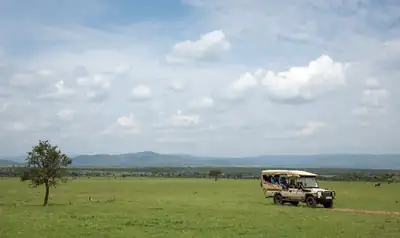
Embark on a private guided safari in an open-air luxury Land Cruiser to track the Big Five in Kenya's legendary Masai Mara with KPSGA Silver/Gold guides.

Embark on a private guided safari in an open-air luxury Land Cruiser
Conservancy Access

Luxury Masai Mara Safari Tours: High-Touch Game Drives

Enjoy high-touch safari experiences in the Masai Mara with private conservancy game drives and night drives—spotlight leopard tracking and Maasai bush walks (conservancies).

Excellent year-round game viewing and hot-air balloon safaris
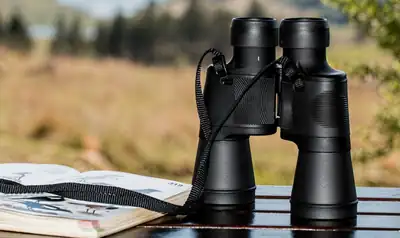
Balloon & Optics

Excellent Year-Round Viewing on Luxury Maasai Mara Safaris

Pair excellent year-round game viewing and hot-air balloon safaris ($450–$500 pp) with photographic beanbags, power inverters, and chilled bar fridges (balloon rates).

5-Star Masai Mara Safari Packages With Fly-In Airstrip Access

Explore the African wilderness from a 5-star luxury tented camp—comparing five-star safari lodges in the Masai Mara and eco-chic safari lodges with four-poster beds across Masai Mara camps and lodges.

Suites

Plunge Pools, Copper Tubs & Butler Service

Our partner luxury camps designed to blend into their surroundings offer 100+ sqm canvas suites, deck plunge pools, and personal butlers for top Masai Mara safari accommodation (camps).

Locations

Private Conservancy Camps Versus Reserve Lodges

Weighing private conservancy camps versus reserve lodges (reserve lodge versus conservancy camp for luxury safaris): conservancies cap sightings at 5 vehicles while reserve lodges sit near river crossings (conservancies guide).

Included
Optional & Excluded
  • Dawn balloon flight ($450–$500 pp) with champagne breakfast
  • Exclusive camp 4x4 buyout on fly-in packages ($300–$450/day)
  • Diani Beach air extensions (Masai Mara Safari from Mombasa)
  • International flights, Kenya eTA ($35), cellar champagne & tips

Luxury Masai Mara Safari vs Mid-Range Wildlife Tours from Nairobi

Compare a luxury versus mid-range Masai Mara safari and luxury versus mid-range Masai Mara safari cost.

Is a Luxury Masai Mara Safari Worth It?

Luxury ($950–$3,000/Night | $2,850–$8,500+ for 3–5 Days)

Why Upgrade to Luxury

Answering is a luxury Masai Mara safari worth it: 6–15 suite conservancy camps, off-road big-cat photography, night drives, and 45-minute flights (safari cost and rates).

Luxury Masai Mara Safari Camps, Suites & Wildlife Gallery

Visual overview of our luxury Masai Mara safari suites, open-air 4x4 cruisers, and private conservancies.

Angama Mara & The Mara Triangle: Luxury Masai Mara Tour Packages

Iconic Escarpment Camp

Perched high on the crest of the Oloololo Escarpment overlooking the vast plains of the Mara Triangle where Out of Africa was filmed.

Angama Mara luxury camp overlooking the Mara Triangle and Great Rift Valley escarpment

Luxury Camp Highlights & Conservation Area

Angama Mara is arguably best known for floor-to-ceiling glass-fronted suites floating thirty feet above the Masai Mara National Reserve savannah below.

Angama private airstrip offering scenic bush flights across the Great Rift Valley

Exclusive Tents, Safari Activities & River Views

Guests enjoy bespoke game drives into the Mara Triangle, private photographic studio sessions, rim-flow swimming pool lounging, and guided walking safaris along the rift valley escarpment.

Angama Mara deck views across the golden plains and riverine acacia woodland

Wildlife Viewing & Bush Activities

Daily hot air balloon flights lift off directly from the camp hillside at dawn, drifting silently above wandering elephant herds and pride lions before landing for champagne breakfasts.

Cottar's 1920s Safari Camp: Vintage Elegance, Brass Antiques & Hemingway Heritage

Vintage Safari Heritage

An authentic throwback to the golden age of African exploration situated in an exclusive private conservancy bordering Serengeti and Masai Mara.

Cottar's 1920s camp authentic vintage luxury canvas tents with antique furnishings

Historic Canvas & Brass Antique Heritage

Cottar's 1920s safari camp preserves historic romance with authentic canvas tents, original gramophones, vintage brass fixtures, and open-air canvas baths facing serene valleys.

Private conservancy bordering Cottar's camp with resident elephant herds
Hemingway Era Elegance & Private Wilderness

Operated by the fifth generation of the Cottar family, this classic safari retreat offers silver-level guiding, private bush villas, and secluded game viewing away from national reserve tourist crowds.

Cheetah roaming the Olderkesi Conservancy surrounding Cottars 1920s camp

Warrior Tracking & Candlelit Bush Dinners

Engage with local Maasai warriors in authentic cultural tracking walks, visit conservation classrooms, and dine under lantern-lit acacia trees on multi-course feasts.

Governors' Camp Collection: Il Moran & Little Governors' Riverfront Retreats

Riverfront Pioneer Camps

Tucked along the winding banks of the Mara River where giant pod mahogany trees shade historic luxury canvas pavilions.

Governors' Il Moran Camp riverfront tented suites nestled under giant trees on the Mara River
Governors' Il Moran Intimate River Luxury

Governors' Il Moran camp offers ten expansive riverine tented suites with king-size olive-wood beds, Victorian claw-foot bathtubs, and personal verandas overlooking resident hippos.

Little Governors' Camp natural waterhole visited daily by elephant herds and marsh lions
Little Governors' Camp Secluded Waterhole Setting

Little Governors' camp is accessed exclusively by a quiet wooden boat across the Mara River, surrounding a natural watering hole brimming with elephants and birdlife right outside your tent flap.

Governors' Camp daily game drives encountering the famous Marsh Pride lions

Pioneer Hot Air Balloon Safaris

Governors' original balloon safaris lift off at first light over Musiara swamp, providing unrivaled aerial views of big cats and wildebeest river crossings before champagne breakfasts in the open bush.

Sanctuary Olonana: Riverfront Suites, Plunge Pools & Riverside Dining on the Mara River

Contemporary River Sanctuary

Architectural glass and stone luxury set on a private stretch of the Mara River with direct access to prime wildlife crossings.

Sanctuary Olonana glass-sided luxury suites with private plunge pools facing the Mara River

Contemporary Riverfront Architecture

Sanctuary Olonana showcases fourteen ultra-modern glass-fronted suites with marble bathrooms, continuous hot water showers, private plunge pools, and uninterrupted views of river rapids.

Expert naturalist guiding at Sanctuary Olonana for big cat and bird tracking

Custom Safari Vehicles & Private Game Viewing

Embark on custom 4x4 open safari vehicles equipped with camera mounts, charging points, and expert guides certified in wildlife tracking and Mara River crossing dynamics.

Riverside dining decks at Sanctuary Olonana offering organic gourmet cuisine
Organic Wellness & Maasai Cultural School

Guests savor fine organic dining on wooden riverside decks, indulge in African botanical spa rituals, and visit the adjacent Maasai cultural village and bio-gas school gardens.

&Beyond Kichwa Tembo Tented Camp: Western Escarpment Forest Elegance & Wildlife Sightings

Riparian Forest Hideaway

Nestled in the lush riverine forest along a spring-fed river where Oloololo Escarpment meets the open savannah plains.

Kichwa Tembo Tented Camp luxury canvas pavilions set amidst riverine acacia woodland

Riverine Forest Elegance & Shady Tents

&Beyond Kichwa Tembo tented camp features forty modern canvas tents blending timber and earthy tones, nestled deep in the riverine forest where warthogs graze peacefully outside.

Great migration herds grazing on the open plains outside Kichwa Tembo Camp

Infinity Swimming Pool & Panoramic Vistas

Unwind in the rim-flow swimming pool with sweeping views across the golden plains, watching wandering zebra and elephant herds while sipping refreshing sundowner cocktails.

&Beyond custom 4x4 safari vehicles tracking wildlife in the western Masai Mara

Private Escarpment Sundowners & Organic Feasts

Enjoy seasonal organic garden vegetables harvested on-site, freshly baked pastries, interactive bush kitchens, and twilight sundowner drinks on the heights of the escarpment.

Sala's Camp & Sand River Masai Mara: Front-Row Great Wildebeest Migration Crossings

Front-Row Migration Camps

Positioned in the tranquil southern reaches of the Masai Mara National Reserve right on the Sand River facing the northern Serengeti Serengeti.

Sala's Camp luxury tented suites on the confluence of the Sand and Keekorok rivers
Sala's Camp Confluence Splendor

Sala's camp offers seven glass-fronted luxury tents with private plunge pools overlooking the Sand River, where migrating wildebeest and zebras enter Kenya from the Serengeti each July.

Sand River Masai Mara vintage tented camp evoking the romance of classic 1920s expeditions
Sand River Masai Mara Vintage Nostalgia

Elewana Sand River Masai Mara replicates the classic glamour of 1920s exploration with polished hardwood, brass fittings, private dining tents, and unmatched riverbank seclusion.

Dramatic savannah landscape and big cats around the Sand River crossing points

Front-Row River Crossings & Big Cat Sightings

Witness heart-pounding crocodile crossings right from camp, follow resident lion prides through riverbed thickets, and celebrate sunset with lantern-lit dinners under acacia canopies.

Elephant Pepper Camp & Porini Mara Camps: Eco-Luxury Tents in Private Conservancies

Private Conservancy Eco-Luxury

Experience untouched wilderness with strict low vehicle density, night game drives, and authentic walking safaris in Mara North and Ol Kinyei.

Elephant Pepper Camp spacious safari tents nestled in a grove of elephant pepper trees in Mara North

Elephant Pepper Camp: Maasai Mara Luxury Safari Packages in Mara North

Elephant Pepper camp offers eight spacious tents and two honeymoon suites nestled within a grove of elephant pepper trees, featuring solar lighting and traditional safari bucket showers.

Porini Lion Camp guided 4x4 game drives in Olare Motorogi Conservancy
Porini Camps Wilderness Conservancies

Porini Mara Camp and Porini Lion Camp provide true eco-camp credentials in Ol Kinyei and Olare Motorogi, delivering premier wildlife density with only one vehicle per 350 acres.

Night game drives and walking safaris guided by local Maasai trackers

Night Spotlighting & Guided Walking Trails

Search for nocturnal predators including leopard, hyena and serval using red-filtered spotlights, followed by morning foot safaris learning medicinal bush plants from community elders.

Saruni Mara: Intimate Mountain Escapes with Maasai Warrior Tracking & Panoramic Views

Intimate Valley Architecture

The only small, boutique lodge in the remote Mara North hills offering Italian-inspired gastronomy and private wellness pavilions.

Saruni Mara luxury cottage suites built into the hillside overlooking the valleys of Mara North

Boutique Hillside Cottage Architecture

Saruni Mara features five elegant cottage suites and a private villa decorated with antique colonial furniture, open verandahs, and elevated valley views stretching to the horizon.

Maasai warrior guides at Saruni Mara leading bush walks and cultural tracking
Maasai Warrior Guiding & Tracking Academy

Participate in Saruni's famous Warriors Academy where families and children learn ancient tracking skills, spear throwing, bushcraft, and wildlife folklore from authentic indigenous warriors.

Serene wellness spa and candlelit terrace dining at Saruni Mara
Maasai Wellbeing Space & Italian Gastronomy

Rejuvenate at the Maasai Wellbeing Space with restorative herbal treatments before savoring four-course Italian gourmet dinners paired with imported vintage wines by the fireside.

Rekero Camp: Legendary Riverside Tented Camp Tucked in the Talek River Hotspot

Talek River Crossing Epicenter

A traditional close-to-nature camp situated directly on a major wildebeest crossing point inside the Masai Mara National Reserve.

Rekero Camp riverside canvas tents overlooking the Talek River wildebeest crossing point

Talek River Hotspot Location

Rekero camp features nine spacious canvas tents positioned right on the rocky banks of the Talek River where crossing herds literally plunge through the waters directly in front of camp.

Expert guiding team at Rekero Camp tracking big cat action along the Talek River

Unrivaled Big Cat Action & River Crossings

Renowned for some of Kenya's most knowledgeable safari guides, Rekero delivers front-row seats to lion hunting maneuvers, cheetah sprints, and thrilling river crossing chaos.

Traditional safari ambiance and communal dining on the riverbank deck at Rekero Camp

Authentic Safari Ambiance & Warm Hospitality

Gather around the evening campfire on the riverbank to share wildlife sightings, dine beneath star-filled equatorial skies, and fall asleep to the sounds of rushing water and calling hyenas.

Bateleur, Serian and Mara Plains: Three More Camps Worth Knowing

A small, designer camp below the Oloololo escarpment, and why it suits travellers who want forest rather than plain.

Bateleur Camp sits on the same forested slopes as Kichwa Tembo, but on a smaller scale: a handful of suites, a lounge built into the trees, and a deck that looks out over the canopy rather than across open grass. The atmosphere is quieter than the big lodges, the service is personal, and the camp is a good choice for a honeymoon or for anyone who wants the western Mara without the crowd. Bateleur is the quietest of the luxury Masai Mara tour packages we sell, and it suits travellers who want forest and river rather than open plain. The suites face the canopy, the pool sits above the trees, and the camp's own stretch of the Mara River is a five-minute drive away. For couples comparing these luxury Masai Mara packages, it is the one that feels most like a private house in the woods.

The setting matters as much as the rooms. The escarpment above the camp is the edge of the Rift Valley, the forest below it holds elephant, buffalo and forest game, and the drive down to the plains takes minutes rather than an hour. Guides here work the Triangle and the western river crossings, which is where the migrating herds arrive first, and the camp is well placed for a dawn start. The Oloololo escarpment is the western wall of the Mara Triangle, which means the camp sits above one of the best game-viewing corridors in Kenya. Guests can be on the plains before the light arrives, and the drive back up for breakfast is short enough to make a second outing in the afternoon worthwhile.

All-Inclusive Fly-In Safari Experience & Private 4x4 Game Drives

The service details that separate a luxury camp from an expensive one.

At this level the quoted rate is usually fully inclusive: accommodation, all meals, two game drives a day, park or conservancy fees, laundry, drinking water and often local drinks. A butler or tent attendant looks after the room, the deck and the hot water, and a concierge or manager handles the arrangements. What is usually extra is champagne and premium spirits, spa treatments, the balloon flight and gratuities. An all-inclusive luxury Masai Mara safari should therefore be compared line by line rather than headline by headline. Two quotes that look the same can differ by a private vehicle, a balloon seat and a conservancy fee, and those three items are worth more than the difference between a good tent and a great one. Ask for the exclusions list before you compare totals.

The menu matters more than guests expect. A good camp asks about dietary requirements before arrival, serves breakfast in the bush or on the deck, and puts on a proper dinner rather than a buffet. Lunch is the relaxed meal, taken in the lounge or under a tree, and the afternoon is deliberately empty: a sleep, a swim, a treatment, or a book on the deck while the light softens. The stocked minibar, the coffee brought to the tent at dawn and the hot water bottle in the bed are small things that people remember. Wine is the other giveaway. Camps that take food seriously usually take the cellar seriously too, and a short list of South African and French bottles is a better sign than a long list nobody has tasted. If you drink, ask whether wine is included in the rate or billed at the end, because the difference on a week's stay is not trivial. Service is the other variable that separates a good camp from a great one. A camp with one guide per four guests can wait at a sighting; a camp with one guide per eight cannot. Ask the ratio before you compare rates, and ask whether the butler service is included or charged per day, because on a seven-night luxury Masai Mara tour package that line alone can run to several hundred dollars.

The rhythm of the day is set by the animals, not the hotel. You wake before dawn, leave with coffee and a blanket, return for a late breakfast, and go out again in the late afternoon. Evenings are for dinner and conversation, and most camps are quiet by ten. Anyone expecting nightlife has booked the wrong holiday; anyone expecting to sleep properly after a day in the open has booked the right one. The one rhythm that surprises first-time guests is lunch. It is a full meal, served slowly, and it is followed by an empty afternoon on purpose, because the animals are also resting and the light is flat. Couples who plan a massage, a swim or a sleep into that gap enjoy the evening drive far more than those who try to fill it. Dinner is usually a set menu with a choice of main, served at a fixed hour, and most camps will move it earlier or later if you ask. Private dining on a deck or under a tree is often available for a honeymoon or an anniversary at no extra charge, but it needs a day's notice because the kitchen plans around the main sitting.

Which Luxury Masai Mara Camp Suits Your Trip?

A simple way to compare properties that all look excellent in the brochure.

Start with location and work backwards. A camp inside the reserve saves an hour of driving a day but puts you among more vehicles; a camp in a private conservancy allows night drives, walking and off-road viewing, and the land is leased from Maasai families. A riverside camp overlooking a crossing is exciting in July and quiet in February. Write the location on one side of the page and the price on the other, then decide which one you are really paying for.

Next, look at the guiding. How many vehicles does the camp run, how many guests share one, and is a private vehicle included? How experienced is the guide, and does he specialise in photography, birds or general game? A camp with ten tents and three vehicles will feel more personal than a lodge with fifty rooms and eight, and the difference shows at a sighting. If the guide is the reason you are going, ask to be matched with a senior one rather than taking whoever is on duty.
Then ask about the small things that determine comfort: is the bathroom en suite, is there hot water all day, is the power solar, is there a fan or air conditioning, how far is the tent from the lounge, and what happens at night if you want to walk back after dinner? None of it is glamorous, and all of it is the difference between a beautiful room and a comfortable stay. A stay that looks stunning in photos and feels awkward in practice is a common trap at this price point.

Request Your Luxury Masai Mara Safari Quote

Share your dates and preferred camp tier for an itemised WhatsApp proposal.

Zero booking fees.

Curated Luxury Portfolio

Best Masai Mara Lodges, Luxury Tented Camps & Private Conservancies

Discover the pinnacle of African wilderness hospitality where intimate boutique design, gourmet culinary excellence, and private wildlife viewing converge across the Mara Ecosystem.

Luxury Property Conservancy / Location Suite Features & Deck View Signature Inclusions Nightly Rate (USD) Booking
Mara Plains Camp
Great Plains Conservation
Olare Motorogi Conservancy Canvas tented suites set on raised wooden decks with copper soak tubs Private Toyota Land Cruiser Starlit Bush Dinner $1,850 – $2,900 Enquire
Mahali Mzuri
Virgin Limited Edition
Olare Motorogi Conservancy Twelve futuristic luxury tented suites with private plunge pool access Gourmet Fine Dining Panoramic Valley Views $1,950 – $3,200 Enquire
Angama Mara
High-Escarpment Luxury
Mara Triangle (Oloololo Escarpment) Cantilevered glass suites floating 1,000 feet above the open savannah Out of Africa Picnics Sunrise Balloon Safaris $1,800 – $2,850 Enquire
Cottar's 1920s Camp
Olderkesi Community Wildlife Concession
Olderkesi Conservancy Vintage luxury canvas tents with antique gramophones and safari bathtubs Private Professional Guides Night Game Drives $1,650 – $2,600 Enquire

Every discerning guest staying at a premier luxury hotel or tented camp in the Masai Mara enjoys perfect hospitality and personalized safari activities. Expert Kenyan resident guides lead immersive nature excursions across the national reserve and private conservancy concessions where rich, authentic encounters with big cat predators unfold daily.

Each suite is located amidst lush riverine woodland to make your stay comfortable, authentic, and inspiring. Dedicated hospitality staff embrace timeless safari traditions while delivering modern comforts, from an en-suite bathroom with a rainfall shower to an open-air private viewing deck overlooking wildlife corridors.
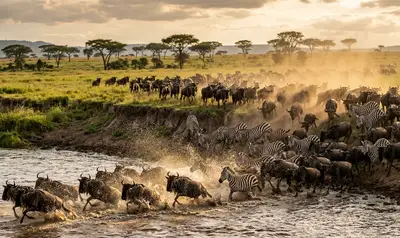
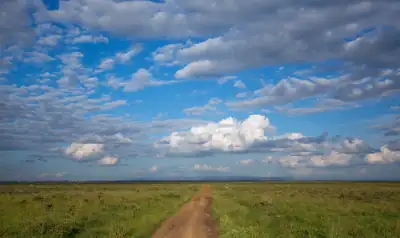
After exhilarating morning game drives across the game reserve, travelers unwind with an organic bush picnic, savor fine dining in the main restaurant, or rejuvenate their senses beside the sparkling outdoor swimming pool and spa. Modern luxury camps in the Masai Mara ensure seamless check-in, attentive room service and in-suite relaxation after a long flight from Nairobi.

International visitors preparing for travel should confirm their Kenyan tourist visa, secure yellow fever health documentation if arriving from endemic zones, and carry local cash or mobile payment options for park tips and artisan craft purchases. Wheelchair accessible tented suites and reliable 24/7 telephone communication ensure an effortless, world-class wilderness vacation for every traveler.

WhatsApp Quote Build Itinerary