 Masai Mara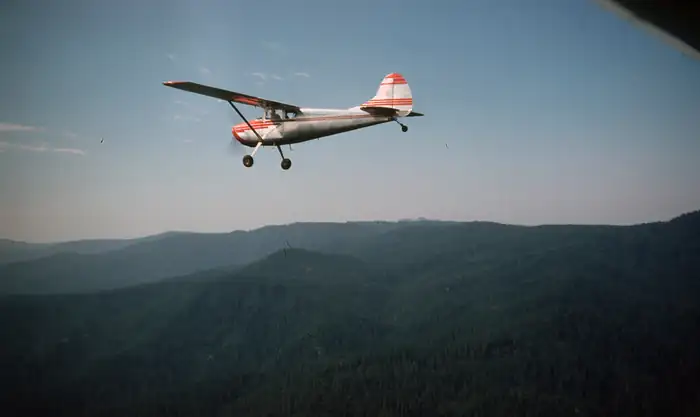
Masai Mara Flying Safari
The trip the 15 kg soft-bag rule exists for — 45–60 minutes from Wilson Airport straight to the Mara airstrips.
From $1,400 per person
View Flying Safari
Layers for cold mornings, neutral colours, one good pair of binoculars — and a soft bag under 15 kg if you're flying. Everything else is detail, covered below.
Last updated:
Rule one: pack in layers. The Mara sits at roughly 1,500–2,000 m above sea level, and altitude beats latitude. Dawn game drives start around 10–15°C — genuinely cold in an open vehicle — while afternoons are warm and sunny. A t-shirt, a long-sleeved shirt and a fleece you can peel off as the sun climbs will serve you better than any single "safari outfit".
Rule two: keep colours neutral. Khaki, olive, tan, brown and stone are the safari classics for a reason. Avoid dark blue and black, which attract tsetse flies, and avoid camouflage print entirely — military-pattern clothing is restricted for civilians in Kenya and can cause real problems at checkpoints. White is legal but pointless: it's grey with dust by mid-morning of day one.
Rule three: if you're flying, go soft and light. Light aircraft from Wilson Airport to the Mara airstrips enforce a 15 kg limit in soft-sided bags — hard-shell suitcases don't fit the holds and will be refused. If you've booked a flying safari, a duffel bag is not a suggestion, it's a boarding requirement. Road travellers have more slack, but a soft bag still packs into a safari van far more gracefully than a rigid case.
Start with the paperwork: your passport (valid well beyond your travel dates) and your Kenya eTA, the electronic travel authorisation most nationalities need, currently around $30 and applied for online before departure. Carry printed or offline copies of your travel insurance details — camp Wi-Fi is not something to depend on in an emergency.
On health: bring enough of any personal medication for the whole trip plus a buffer, in original packaging. The Mara is in a malaria-risk region, so malaria prophylaxis is commonly recommended — but which one, and whether it suits you, is a question for a travel clinic, not a safari website. Book that appointment 4–6 weeks before you fly. Round out the kit with high-SPF sunscreen (equatorial sun at altitude is deceptive, especially from an open-roofed vehicle) and a DEET-based insect repellent for dusk onwards.
Drones — banned in the reserve without permits that ordinary visitors won't obtain; leave it at home rather than risk confiscation. Camouflage clothing — restricted for civilians in Kenya, as above. Hard-shell suitcases if any part of your trip involves a light aircraft — they will be refused at Wilson. Excessive cash — cards and M-Pesa cover most situations in Kenya; carry modest cash for tips and curios rather than a holiday's worth of dollars.
Travelling during the long rains (March–May) or the short rains around November? Add a packable rain jacket and a waterproof bag or dry sack for camera gear — showers are typically dramatic but short, and the reserve turns spectacularly green. The reward for a little extra kit is the lowest prices of the year: park fees drop to $100 per adult per day from January to June, and camps discount deepest in April and May. Our budget safari departures are at their absolute cheapest in exactly this window.
Established camps — including the budget tented camps on our packages — provide bedding, blankets, mosquito nets and towels. You do not need a sleeping bag on any of our itineraries, whether that's a 3-day road safari or a fly-in stay. Most camps also stock basic toiletries, and many offer laundry, which is the real secret to the short clothing list above: wash mid-trip and half your wardrobe can stay at home.
Tell us your dates and group size — we'll reply on WhatsApp with an itemised price, and flag anything specific to pack for your itinerary and season.
The trip the 15 kg soft-bag rule exists for — 45–60 minutes from Wilson Airport straight to the Mara airstrips.
Our most popular departure — the full day-by-day itinerary by road from Nairobi, with everything itemised.